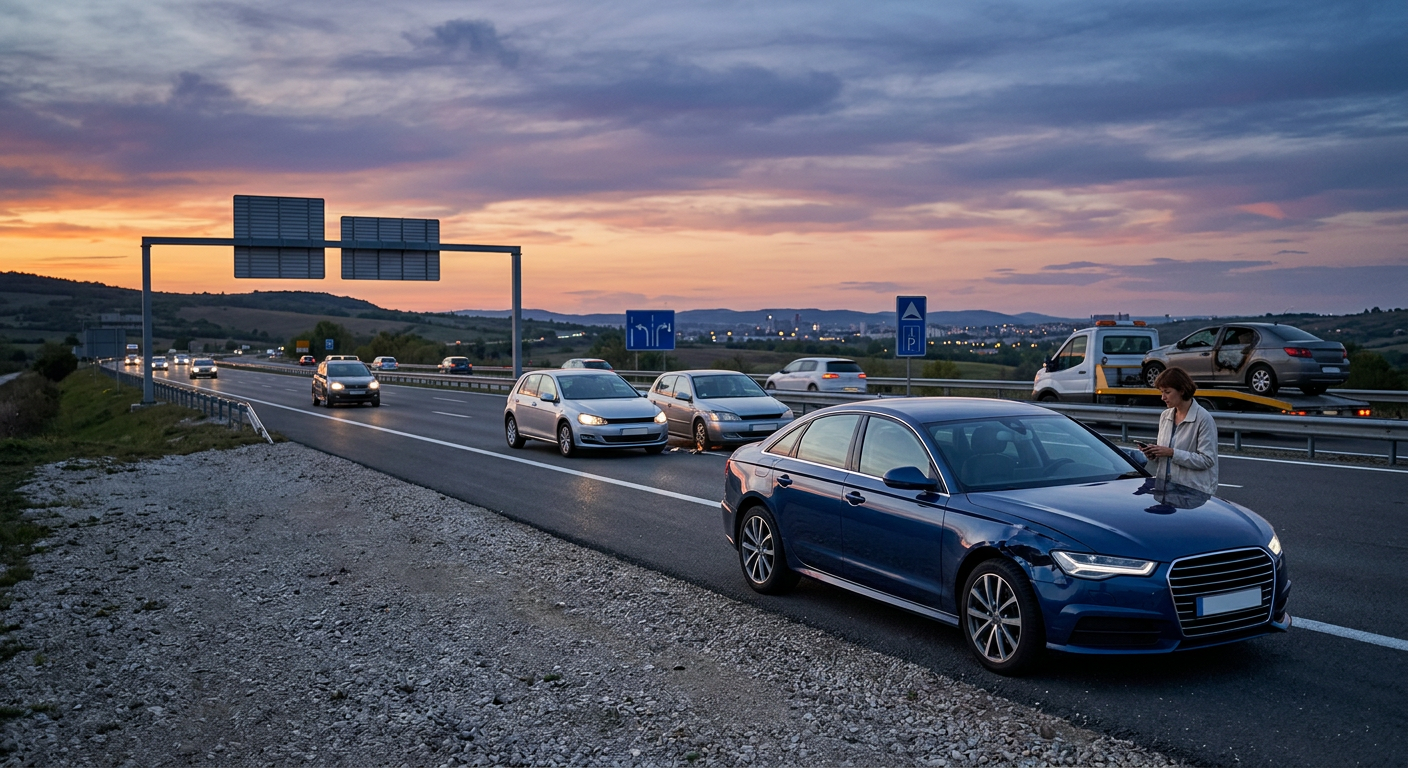
If you have shopped for car insurance, you have likely encountered these three terms in every quote, comparison website, and policy document. However, their meanings are not always clear.
Many drivers select the wrong type of insurance, not out of carelessness, but due to a lack of clear explanations. Some choose third-party coverage for its lower cost, only to discover gaps in coverage after an incident. Others pay for comprehensive insurance on older vehicles, resulting in unnecessary expenses over time.
This guide explains what each insurance type covers, what it excludes, and which option may be most suitable for your needs. A summary table below provides a side-by-side comparison to help you make an informed decision.
The Foundation: What All Car Insurance Must Cover
Before comparing options, it is important to understand the minimum coverage required by law for all car insurance policies in the European Union.
Third-party liability is mandatory. If you cause an accident, your insurance must pay for:
- Damage to other people’s cars
- Medical expenses for other people injured in the accident
- Damage to property (lampposts, fences, buildings, etc.)
This is the legal minimum. Driving without it can result in fines, license points, and legal action. However, third-party liability does not cover your own vehicle, your injuries, or any losses that are not incurred by others.
Type 1: Third-Party Insurance (Basic)
What it covers:
- Third-party liability (damage you cause to others)
- Legal defense if you’re sued after an accident
What it does NOT cover:
- Any damage to your own car
- Theft of your car or its parts
- Fire damage to your car
- Broken windshield or windows
- Natural disasters (hail, floods, storms)
- Roadside assistance or towing
- A replacement car while yours is being repaired
Who should buy a third-party basic:
- Owners of cars worth less than €3,000
- Drivers who can afford to replace or repair their car out of pocket
- People who rarely drive (under 5,000 km per year)
- Second or spare cars that aren’t used often
Example: You drive a 12-year-old Fiesta valued at €2,500 and hit a lamppost. Your insurance covers the lamppost, but you are responsible for your own car repairs or may choose to scrap the vehicle, which is reasonable given its low value.
Risk: If your car is worth €8,000 and you have only basic third-party coverage, an at-fault accident will result in a total loss with no insurance payout. You are responsible for all costs.
Type 2: Third-Party Plus Insurance (Extended)
This coverage, sometimes referred to as “third-party, fire and theft” or “third-party extended,” offers more protection than basic third-party but less than comprehensive insurance.
What it covers:
- Everything from basic third-party
- Fire damage to your own car
- Theft of your entire car or its parts (such as wheels, radio, etc.)
- Broken windshield or windows (sometimes with a small deductible)
- Towing and roadside assistance (varies by policy)
- Replacement car (sometimes, with limits)
What it does NOT cover (read carefully):
- Damage to your own car from an accident that is your fault
- Damage to your own car from a collision with another car, a wall, or a pole
- Natural disasters (hail, floods, storms) – unless specifically added
- Vandalism – unless specifically added
Who should buy third-party plus:
- Owners of cars worth between €3,000 and €10,000
- Drivers who want protection against fire and theft but accept some risk for accident damage
- People who drive regularly but don’t have a brand-new car
- Anyone who wants roadside assistance and windshield coverage at a reasonable price
Example: You drive a 7-year-old Golf valued at €7,000. If your wheels are stolen, third-party plus covers the replacement. If a hailstorm damages your windshield, it is also covered. However, if you cause an accident and damage your own car, you are responsible for those repairs.
Risk: The main gap is at-fault accident damage to your own vehicle. If you cause a collision, you are responsible for your own repair costs.
Type 3: Comprehensive Insurance (Full Coverage)
Comprehensive insurance is the most expensive and provides the most extensive coverage.
What it covers:
- Everything from third-party plus
- Damage to your own car from any accident, even if it’s your fault
- Collision with another vehicle, a wall, a pole, or any object
- Single-vehicle accidents (hitting a tree, rolling over)
- Natural disasters (hail, floods, storms) – usually included
- Vandalism
- Often includes a replacement car while yours is repaired.
- Often includes higher limits for roadside assistance and towing.
What it does NOT cover (common exclusions):
- Normal wear and tear (clutch, brakes, timing belt)
- Mechanical breakdowns (engine failure from lack of maintenance)
- Driving under the influence of alcohol or drugs
- Using your car for delivery or rideshare without declared coverage
Who should buy a comprehensive:
- Owners of new cars (less than 5 years old)
- Cars worth more than €10,000
- Financed or leased cars (the bank requires comprehensive)
- Drivers who want maximum peace of mind and can’t afford unexpected repair bills
- People who live in areas with high rates of vandalism or hail
Example: You drive a 2-year-old Tesla valued at €45,000 and slide on ice, hitting a tree. The repair costs €12,000. Comprehensive insurance covers the repair, minus your deductible. Without comprehensive coverage, you would pay the full amount out of pocket.
Risk: Comprehensive insurance can cost two to three times more than third-party plus. Over several years, this difference may total thousands of euros.
Which One Should You Choose? A Simple Decision Guide
Consider the following three questions to guide your decision.
Question 1: How much is your car worth?
- Less than €3,000 → Choose basic third-party
- Between €3,000 and €10,000 → Choose third-party plus
- More than €10,000 → Choose comprehensive
Question 2: Could you afford to repair or replace your car tomorrow without insurance?
- Yes → You can consider a lower level of coverage.
- No → You need comprehensive.
Question 3: Does your car have a loan or a lease?
- Yes → Comprehensive insurance is typically required by your lender.
- No → You may choose the coverage that best fits your needs.
The Deductible Trade-Off
Comprehensive insurance often includes a deductible, which is the amount you pay out of pocket before insurance coverage applies.
Example: You have a €500 deductible. Your repair costs €3,000. You pay €500. Insurance pays €2,500.
A higher deductible means a lower monthly premium. A lower deductible means you’ll pay more each month.
Our recommendation:
- New or expensive car: €300-500 deductible
- Mid-range car: €500-800 deductible
- Older car: Consider third-party plus rather than comprehensive coverage with a high deductible.
The Bottom Line
Select basic third-party insurance if your car is older and has low value. This option protects you from liability, but not damage to your own vehicle.
Choose third-party plus if your car has moderate value and you want protection against fire, theft, and windshield damage, while accepting the risk of at-fault accident damage.
Select comprehensive insurance if your car is new, valuable, or financed. You want complete protection, but you can’t afford the unexpected, large repair costs.
For most drivers, third-party plus offers the best balance of protection and cost, especially for vehicles valued between €3,000 and €10,000.
However, the best choice depends on your vehicle, budget, and risk tolerance. Refer to the decision guide above and carefully consider what you can afford to lose.
Regardless of your choice, review the exclusions section of your policy carefully, as this is where unexpected limitations are often found.
If you would like similar articles addressing other common questions, such as “How can I lower my car insurance price?” or “What should I do immediately after an accident?”, please let me know. Making the right insurance choice can protect your finances and offer peace of mind—be sure to review your options carefully.