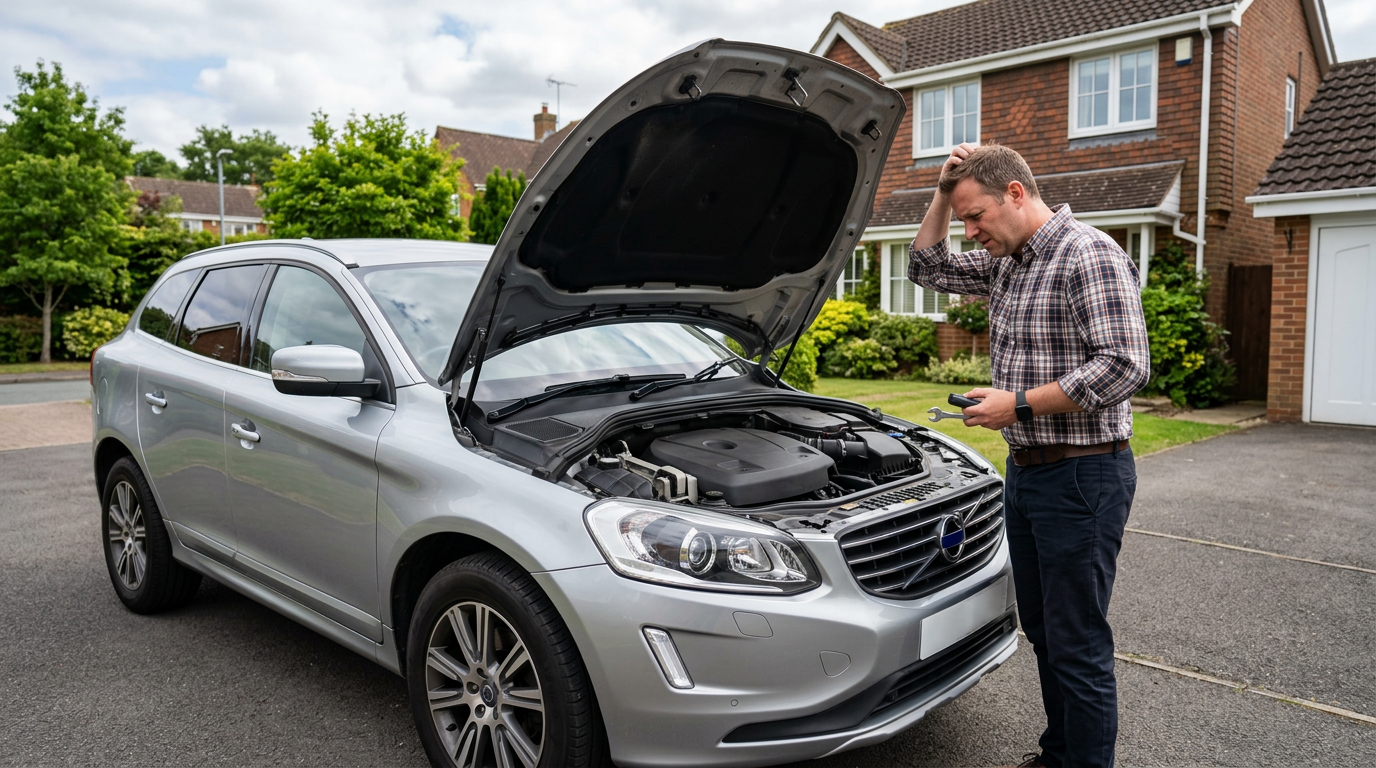
You buy comprehensive insurance, pay a high premium, and assume full protection. The name suggests all accidents, mishaps, and problems are covered.
That is not true.
Comprehensive insurance is the broadest type of car insurance. However, it does not cover everything. Important exclusions exist.
I’ll explain what comprehensive insurance excludes, so you’re not surprised when filing a claim.
First, Understand What Comprehensive Actually Covers
Before discussing exclusions, let us be clear about what comprehensive coverage covers.
Comprehensive typically covers:
- At-fault accident damage to your own car
- Collision with another vehicle or object
- Single-vehicle accidents (hitting a tree, sliding off the road)
- Theft of your entire car
- Theft of parts (wheels, radio, etc.) is covered in many policies
- Fire damage
- Vandalism
- Natural disasters (hail, floods, windstorms, falling trees)
- Windshield and window damage
- Damage caused by animals (hitting a deer, for example)
This is a lot of coverage, and why comprehensive is the best choice for most drivers with cars worth more than €5,000. But it is not everything. Here are the surprising exclusions.
Exclusion 1: Mechanical Breakdowns and Wear and Tear
Your engine fails, your transmission stops working, your clutch wears out, or your timing belt snaps. Claim denied.
Comprehensive insurance covers sudden, accidental damage from external events. It does not cover mechanical failures or normal wear and tear. An old engine failing is not an accident; it is maintenance. That is not covered:
- Engine failure
- Transmission failure
- Clutch wear
- Brake wear
- Timing belt failure
- Any part that fails due to age or lack of maintenance
How to protect yourself: Follow your car’s maintenance schedule. Change the oil and replace the timing belt on time. For breakdown coverage, buy a separate mechanical breakdown policy or a manufacturer’s extended warranty.
Exclusion 2: Personal Belongings
Someone breaks your window and steals your laptop. Your comprehensive policy covers the window but not the laptop or the car. It does not cover the things inside the car. Your personal belongings are excluded.
What is not covered:
- Laptops, tablets, and phones
- Wallets, purses, and cash
- Sunglasses and jewelry
- Work tools and equipment
- Sports equipment
- Any personal item not permanently attached to the car.
How to protect yourself: Check your home or renters’ insurance. Many home policies cover personal belongings stolen from your car up to a limit (often €500-1,500). For expensive items, consider a separate personal articles policy.
Exclusion 3: Driving Under the Influence
After drinking, you crash. Comprehensive won’t pay for your car, and your insurer may bill you for others’ damages.
Driving under the influence of alcohol or drugs violates your insurance contract. When you break the law, comprehensive insurance will not cover your claim or damages.
What is not covered:
- Damage to your own car
- Your medical bills
- Any costs your insurer pays to third parties (they will bill you)
How to protect yourself: Do not drink and drive. Use a designated driver, taxi, or rideshare. The cost of a ride is nothing compared to an accident without coverage.
Exclusion 4: Business Use Without Declaration
You start delivering food using your personal car. You cause an accident, and your comprehensive policy denies your claim.
Standard personal car insurance does not cover commercial use. If you use your car for work—like delivering food, transporting people, or carrying goods—you need special commercial insurance. Personal policies exclude business use.
What is not covered:
- Any accident while using your car for delivery or rideshare
- Any accident while carrying goods for payment
- Any accident while using your car for any business purpose not declared to your insurer
How to protect yourself: If you use your car for business, buy commercial insurance or a rideshare endorsement. Tell your insurer exactly how you use your car. It will cost more but will pay when needed.
Exclusion 5: Track Days and Racing
You sign up for a “track day” at a local racing circuit. It is not a race and has no timing. It is just for fun. You lose control and hit a barrier. Your comprehensive policy denies your claim.
Most policies do not cover driving on tracks, raceways, or facilities designed for speed, even if it’s not a competitive event. Any use of these surfaces is excluded, regardless of the activity.
What is not covered:
- Any accident on a racetrack, raceway, or speedway
- Any accident during a driver education event on a closed circuit
- Any accident during autocross, time trials, or performance driving schools
How to protect yourself: If you want to drive on a track, buy specialized track day insurance. It is expensive because track driving is risky. Do not assume your comprehensive policy covers you.
Exclusion 6: Intentional Damage
You are angry, kick your car, scratch the paint, and drive into a wall on purpose. You file a claim, but your comprehensive policy denies it.
Insurance pays for accidents, not damage you cause on purpose. If you intentionally damage your vehicle, your claim will be denied.
What is not covered:
- Any damage you cause intentionally
- Any damage caused by someone acting on your behalf
- Any damage caused by a family member living in your home (in some policies)
How to protect yourself: Do not intentionally damage your car. Some people think they can claim for self-caused damage. That is fraud. Do not do it.
Exclusion 7: Driving Without a Valid License
Your license expires, you forget to renew it, and you have an accident. Your comprehensive policy denies your claim.
Driving without a valid license also breaks your insurance contract. Even if it’s unintentional, your policy will not pay for any accident if your license is expired or invalid.
What is not covered:
- Any accident while your license is expired
- Any accident while your license is suspended
- Any accident while driving with a license that does not allow you to drive that type of vehicle
How to protect yourself: Check your license expiration date and set a calendar reminder. Renew on time. If your license is suspended, do not drive, not even once.
Exclusion 8: War, Terrorism, and Nuclear Incidents
This exclusion is rare but present in nearly all policies. Any loss from war, invasion, terrorism, or nuclear incidents is excluded and cannot be claimed under comprehensive insurance.
What is not covered:
- Damage from war or military action
- Damage from terrorist attacks (in some policies)
- Damage from nuclear radiation or contamination
How to protect yourself: You cannot. These events are so rare and catastrophic that standard insurance policies do not cover them. Some countries may offer government programs that provide compensation.
The Bottom Line
Comprehensive insurance is the broadest coverage, but not all-inclusive. It excludes mechanical breakdowns, belongings, DUI, business use, tracys, intentional damage,unlicensed driving, and war.r.
Read your policy, know the exclusions, and never assume total coverage.g.
To avoid denied claims: drive safely, maintain your car, avoid drinking and driving, tell your insurer if you use your car for business, avoid tracks, and keep your license valid.
Comprehensive insurance is excellent protection, but it has limits. Now you know what they are.