You’re looking at two quotes. One is for third-party insurance, which is cheap. The other is for comprehensive insurance, sometimes two or three times more expensive.
You ask yourself: “Why would I pay so much more for the same car?”
It’s a fair question. Comprehensive insurance is more expensive, and years can pass without a claim. You keep paying, and nothing happens.
But then something does happen. And the difference between having comprehensive and not having it can be tens of thousands of euros.
Next, let’s break down how to decide if comprehensive insurance aligns with your needs.
First, Understand What Comprehensive Actually Covers
Many drivers don’t know what comprehensive insurance includes. They think it’s just “more coverage.” But the difference is specific and important.
Third-party insurance covers:
- Damage you cause to other people’s cars
- Injuries you cause to other people
- Damage you cause to property (lampposts, fences, buildings)
Third-party plus adds coverage for:
- Fire damage to your own car
- Theft of your car or its parts
- Windshield and window damage
- Often includes roadside assistance.
Comprehensive insurance adds coverage for:
- Damage to your own car from any accident, even if it’s your fault
- Collision with another vehicle, a wall, a pole, or any object
- Single-vehicle accidents (hitting a tree, sliding off the road, rolling over)
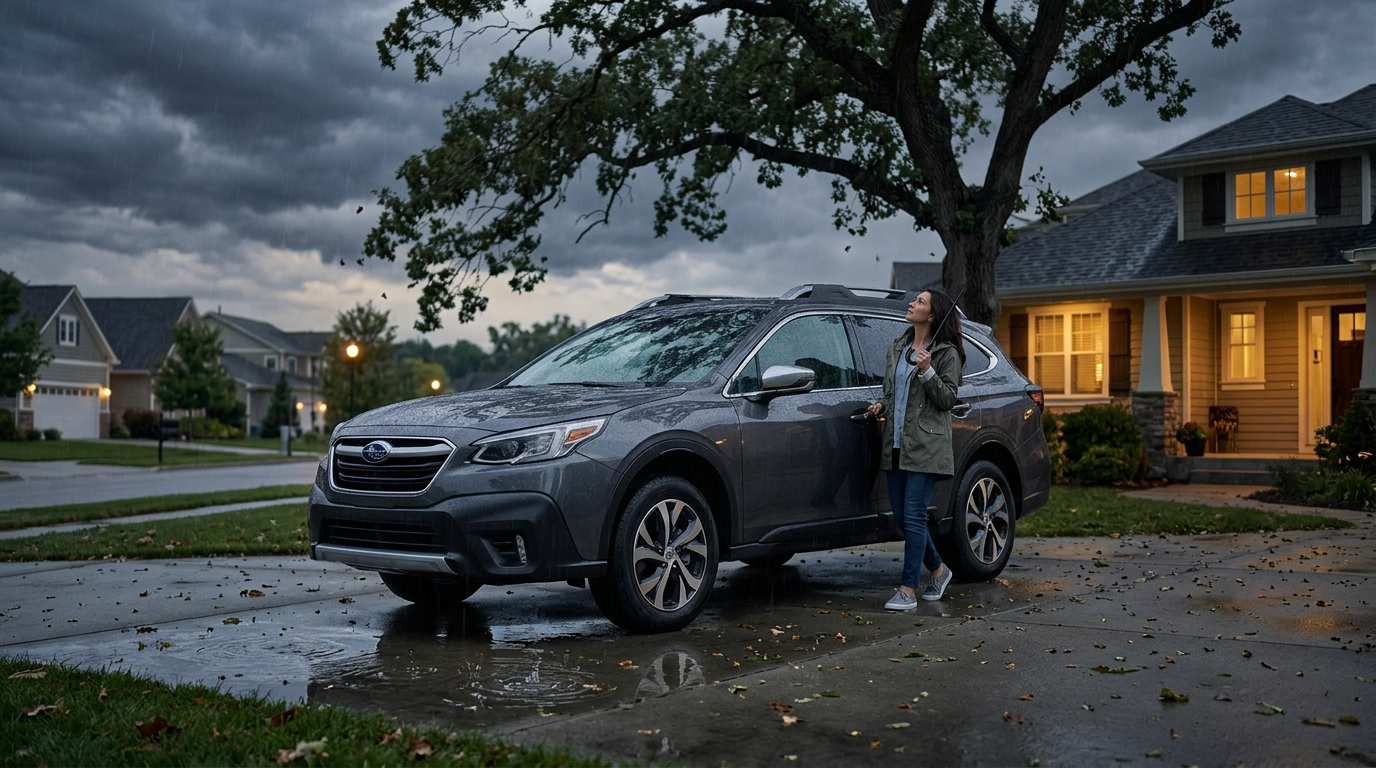
- Natural disasters (hail, floods, storms, falling trees)
- Vandalism
- Often includes a replacement car while yours is being repaired.
- Often includes higher limits for roadside assistance and towing.
The key difference: with third-party (or plus), you cover your own car repairs in an accident. With comprehensive, the insurer pays.
With coverage details clear, let’s focus on making a practical decision for your situation:
The decision about comprehensive insurance is not really about the car. It’s about your finances.
Ask yourself: “If my car was totaled tomorrow and I had to replace it without insurance help, could I do it?”
If the answer is yes, you might not need a comprehensive plan. If the answer is no, you probably do.
Example 1: Your car is worth €3,000 and you have €10,000 in savings. If the car is totaled, you can buy another without financial hardship. Comprehensive insurance might not be worth the extra cost.
Example 2: Your car is worth €25,000 and you have €3,000 in savings. If the car is totaled, you cannot afford to replace it. You also owe €15,000 on your car loan. Comprehensive insurance is essential.
The Car Value Rule of Thumb
Here is a simple guideline based on your car’s value.
Car worth less than €3,000:
Comprehensive is probably not worth it. The annual premium may be 20-30% of the car’s value, meaning you would pay for the car again every few years. Stick with third-party or third-party plus.
Car worth €3,000 to €10,000:
This is the gray area. Comprehensive might cost €400-800 per year, totaling €1,200-2,400 over three years. If you have an at-fault accident during that time, comprehensive pays for repairs. If not, you’ve paid for nothing. Consider your savings and risk tolerance.
Car worth more than €10,000:
Comprehensive is usually worth it because the potential loss is too large to absorb out of pocket. A single at-fault accident could cost thousands in repairs or tens of thousands to replace the car.
Car worth more than €30,000:
Comprehensive is not optional but essential. The financial risk of driving without it is too high.
The Financing Factor
If your car is financed or leased, you may not have a choice.
Banks and finance companies require comprehensive insurance because they own the car until you pay off the loan. If the car is damaged or destroyed without comprehensive coverage, the bank loses its collateral.
Check your loan or lease agreement. If comprehensive coverage is required, you must buy it. There is no decision to make.¡¡
The Deductible Trade-Off
Comprehensive insurance usually includes a deductible. This is the amount you pay out of pocket before insurance pays.
Example: You have a €500 deductible. Your repair costs €3,000. You pay €500. Insurance pays €2,500.
A higher deductible means a lower monthly premium. A lower deductible means a higher monthly premium.
How to choose your deductible:
- If you have significant savings (€10,000 or more), choose a higher deductible of €500-1,000. You save on premiums and can afford to pay the deductible if needed.
- If you have limited savings (less than €3,000), choose a lower deductible of €150-300. You pay more each month but won’t struggle to cover the deductible after an accident.
- If you are financing the car, the bank may require a maximum deductible, often €300 or €500.
The Peace of Mind Factor
Not every decision comes down to numbers; for some, insurance is as much about emotional security as financial security.
Comprehensive insurance means you don’t have to worry about unexpected repair costs or whether you’ll be able to fix your car after an accident. You gain relief from financial uncertainty, allowing you to focus on daily life rather than potential car expenses.
For some, that emotional security justifies the extra cost. For others, peace of mind matters less than potential savings.
Be honest with yourself: Does worrying about unexpected car costs affect your well-being? If knowing you’re covered helps you feel secure, comprehensive insurance may be worthwhile even if the numbers don’t justify it. If you’re comfortable managing financial risks and can pay out of pocket, you may prefer to save the money instead.
When Comprehensive Is Not Worth It
Here are situations where comprehensive is probably a bad idea.
Your car is very old. A 15-year-old car worth €2,000 is not worth insuring comprehensively. The annual premium might be €500-600, so over three years you pay €1,500-1,800 in premiums, almost the car’s value.
Your car is worth very little. Even if it isn’t old, low value means low risk. You can afford to replace it out of pocket.
You have significant savings. If you can comfortably write a check for a replacement car, you don’t need to insure against that loss. Self-insure by keeping the money in savings.
The premium is extremely high. Some drivers, especially young ones or those with poor records, face comprehensive premiums of €2,000 or more. At that price, you might be better off accepting the risk and saving money for a potential repair.
When Comprehensive Is Essential
Here are situations where comprehensive is not optional.
Your car is financed or leased. The bank requires it. No choice.
Your caYour car is worth more than €10,000, and you have minimal savings. If you cannot afford to replace it out of pocket, you need insurance that will. I live in an area with high rates of theft, vandalism, or hail. Third-party plus covers theft, but comprehensive covers more. If your car is likely to be damaged or stolen, comprehensive pays.
You cannot handle financial surprises. If a €5,000 repair bill would cause serious hardship, pay for insurance that prevents it.
The Bottom Line
Is comprehensive insurance worth it? It depends on your car, finances, and risk tolerance.
Use the car value rule of thumb: under €3,000, probably not; €3,000-10,000, consider carefully; over €10,000, probably yes; over €30,000, absolutely yes.
Consider your savings. If you can afford to replace your car out of pocket, you might not need comprehensive. If you cannot, you do.
Check your loan or lease. If the bank requires comprehensive, you have no decision to make.
Be honest. If peace of mind matters, pay for it. If you’re comfortable with risk and have savings, consider skipping it.
The right answer is different for every driver. Now you know how to find yours.
Would you like me to create a similar article for the next most common question, such as “What is a deductible, and is it worth having?”