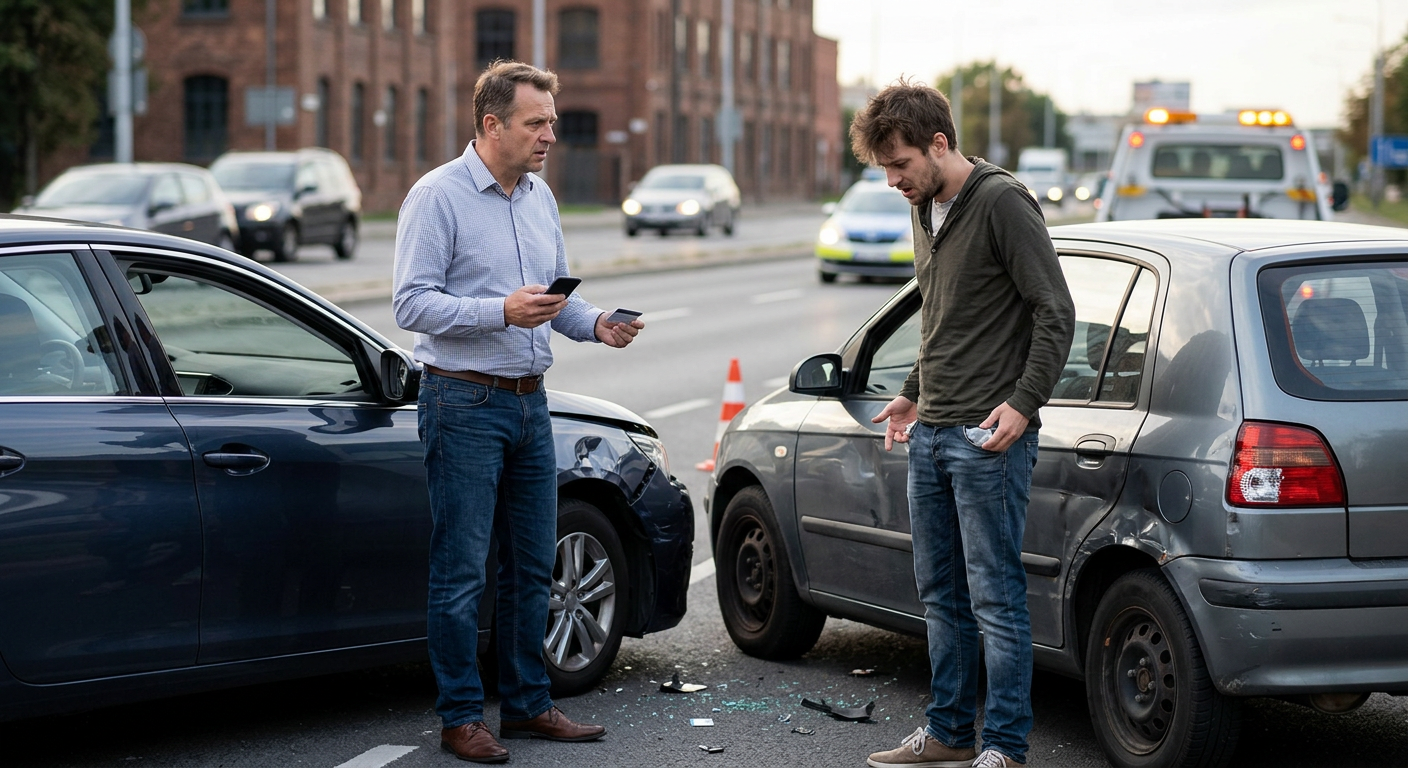
You’ve just had an accident. You exchange information. You ask for their insurance details. And then they say the words every driver dreads: “I don’t have insurance.”
Or worse, they give you a fake policy number. Or they drive away before you get any information.
You have insurance and did everything right. But the other driver has nothing—no insurance company, no assets, no money.
What do you do?
Let me walk you through exactly what to do if you are hit by an uninsured driver.
First, Understand the Two Types of Uninsured Driver Situations
There are two scenarios, each requiring a different response.
Scenario 1: The other driver stays at the scene.
They admit they have no insurance. They may be apologetic or aggressive. But they are there. You have their name, their license plate, and their face.
Scenario 2: The other driver flees the scene (hit and run).
They drive away immediately. You do not get their name. You may or may not have their license plate number. You are alone at the scene.
Both situations are stressful but require different solutions.
If the Other Driver Stays (But Has No Insurance)
Step 1: Do not argue or get angry.
The other driver knows they’re in trouble. Stay calm and focus on gathering information.
Step 2: Collect everything you can.
Even without insurance, you need their information. Get their full name, address, phone number, driver’s license number, and license plate number. Take photos of their license plate, their face if safe, the damage to both vehicles, and the scene.
Step 3: Call the police.
Call the police. They will document the accident, verify the lack of insurance, and create a report. This report is essential for your claim.
Step 4: Find witnesses.
If anyone saw the accident, get their names and phone numbers. Witnesses are especially valuable when the other driver is uninsured because their testimony can prove what happened if the driver later lies.
Step 5: Report to your insurer immediately.
Call your insurer as soon as possible. Tell them the other driver is uninsured and provide all the information you collected.
What Your Insurance Will Cover
This is the most important question. The answer depends on your coverage.
If you have comprehensive insurance:
Comprehensive coverage usually covers damage from an uninsured driver. You pay your deductible, and your insurer pays the rest. Ask your insurer about your no-claims bonus if you’re not at fault.
If you have third-party plus or third-party only:
Bad news. Your policy does not cover damage to your car. If the other driver is uninsured and at fault, your insurance will not pay for repairs. You have two options: pay for repairs yourself or pursue the uninsured driver in court.
If you have uninsured motorist coverage:
Some policies include protection for uninsured driver accidents. Check your policy. If you have it, your insurer pays even with third-party coverage.
If the Other Driver Flees (Hit and Run)
A hit-and-run is more stressful. The other driver is gone, and you may have no information about them.
Step 1: Do not chase them.
Never chase a fleeing driver. You could cause another accident, get injured, or be charged with reckless driving. Let them go. Your safety is more important than catching them.
Step 2: Call the police immediately.
Report the hit and run. Provide the license plate number if you have it. Describe the vehicle’s make, model, color, and any distinguishing features. Describe the driver if you saw them. The police may be able to find the driver based on your description.
Step 3: Take photos of everything.
Photograph the damage to your car and the scene. Also photograph any debris left by the other vehicle. Paint chips, broken glass, or car parts can help identify them.
Step 4: Look for cameras.
Check if nearby buildings, traffic cameras, or home security cameras captured the accident. Note their addresses and report them to the police. You may be able to request footage.
Step 5: Report to your insurer.
Call your insurer immediately and report the hit-and-run. If you have comprehensive coverage, your insurer will typically cover the damage, and you pay your deductible. If you have third-party-only coverage, your insurer will not pay, and you must cover the repairs yourself.
How to Protect Yourself for the Future
The best time to prepare for an uninsured driver is before one hits you.
Add uninsured motorist coverage to your policy.
Many insurers offer this as an add-on to third-party or third-party plus policies. It costs a small amount per year, often €20 to €50. If hit by an uninsured driver, your insurer pays for your damage as if you had comprehensive coverage. This is the best protection against uninsured drivers.
Keep comprehensive coverage.
If your car is worth more than €5,000, consider comprehensive coverage. It protects you from uninsured drivers, at-fault accidents, theft, fire, and natural disasters.
Install a dash cam.
A dash camera records everything in front of your car. If an uninsured driver hits you and flees, it captures their license plate and vehicle description. This evidence is invaluable for police and your insurer. Front and rear cameras are even better.
Know your policy.
Read your policy. Check if you have uninsured motorist coverage, if your comprehensive coverage applies to hit and runs, and how your no-claims bonus is affected. Do this today, not after an accident.
Can You Sue the Uninsured Driver?
Yes, you can. But there are practical limits.
If the other driver cannot afford insurance, they likely cannot pay you either. Winning a court judgment is one thing; collecting the money is another.
You can sue the uninsured driver for your repair costs, medical expenses, and other damages. If they have assets or income, a court can order them to pay you. But if they have nothing, you may never collect.
Your insurance company may also pursue the uninsured driver on your behalf. This is called subrogation. If your insurer pays your claim, they have the right to sue the at-fault driver to recover their money.
The Bottom Line
Being hit by an uninsured driver is unfair. You did everything right and paid for insurance. Now you may face repair bills because someone else broke the law.
But you still have options.
Call the police. Collect evidence. Find witnesses. Report to your insurer immediately.
If you have comprehensive coverage or uninsured motorist coverage, your insurer will pay for your repairs. You may only need to pay your deductible.
If you have third-party only, you may need to pay for repairs yourself or sue the uninsured driver.
Best protection is preparation. Add uninsured motorist coverage, keep comprehensive if your car has value, install a dash cam, and know your policy in advance.
You cannot control whether other drivers follow the law. But you can control whether you are protected when they don’t.